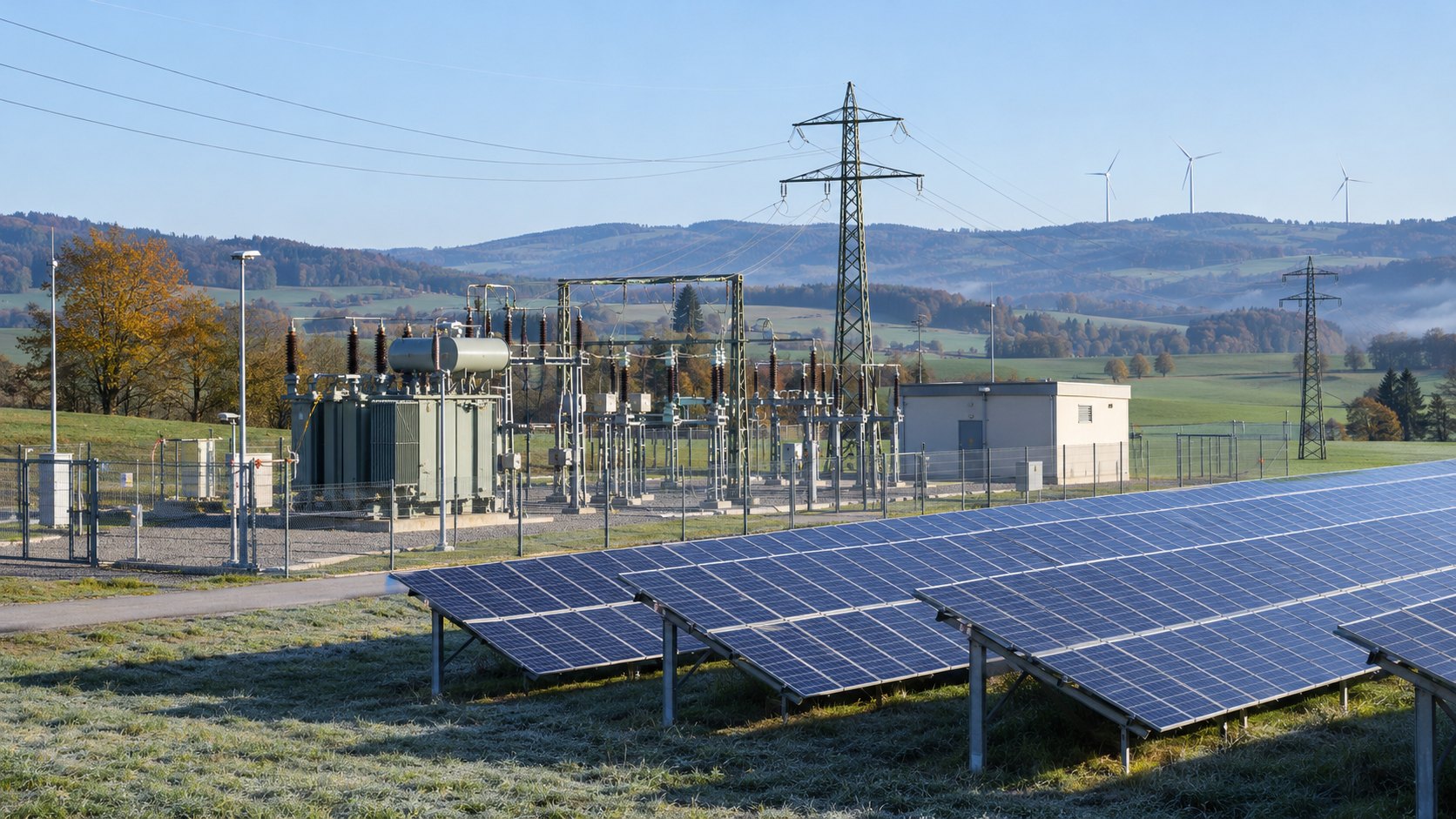
For major power lines, obtaining permits can take longer than construction itself. According to the European Commission, transmission grid projects take more than ten years on average to implement. Permitting accounts for more than half of that time. The provisional deal targets that part of the process.
How permitting would change
For the first time, EU-wide permitting deadlines would apply to transmission and distribution grid projects, stand-alone electricity storage and charging infrastructure. Applicants would be able to file through a single digital point of contact or through connected portals. Some small projects would no longer need permits, and upgrading existing installations would become simpler.
Member states would also be able to treat certain intermediate steps as approved when the competent authority does not respond within the deadline. The deal calls for host communities to share fairly in the benefits of renewable energy projects with more than seven megawatts of installed capacity.
How soon can a project connect?
Our report on Europa-Park in Rust shows why this matters. Anyone planning a new installation or seeking to draw more electricity needs sufficient connection capacity at the site. If the local grid is already at capacity, a larger transformer or an additional line may be needed. Shorter procedures could speed up those upgrades too. Until the equipment is installed and operating, available local capacity remains the limiting factor.
The Council and Parliament still have to formally adopt the text. Member states will then have 18 months to transpose the directive into national law. Negotiations continue on the second part of the EU grids package, which concerns energy infrastructure planning.