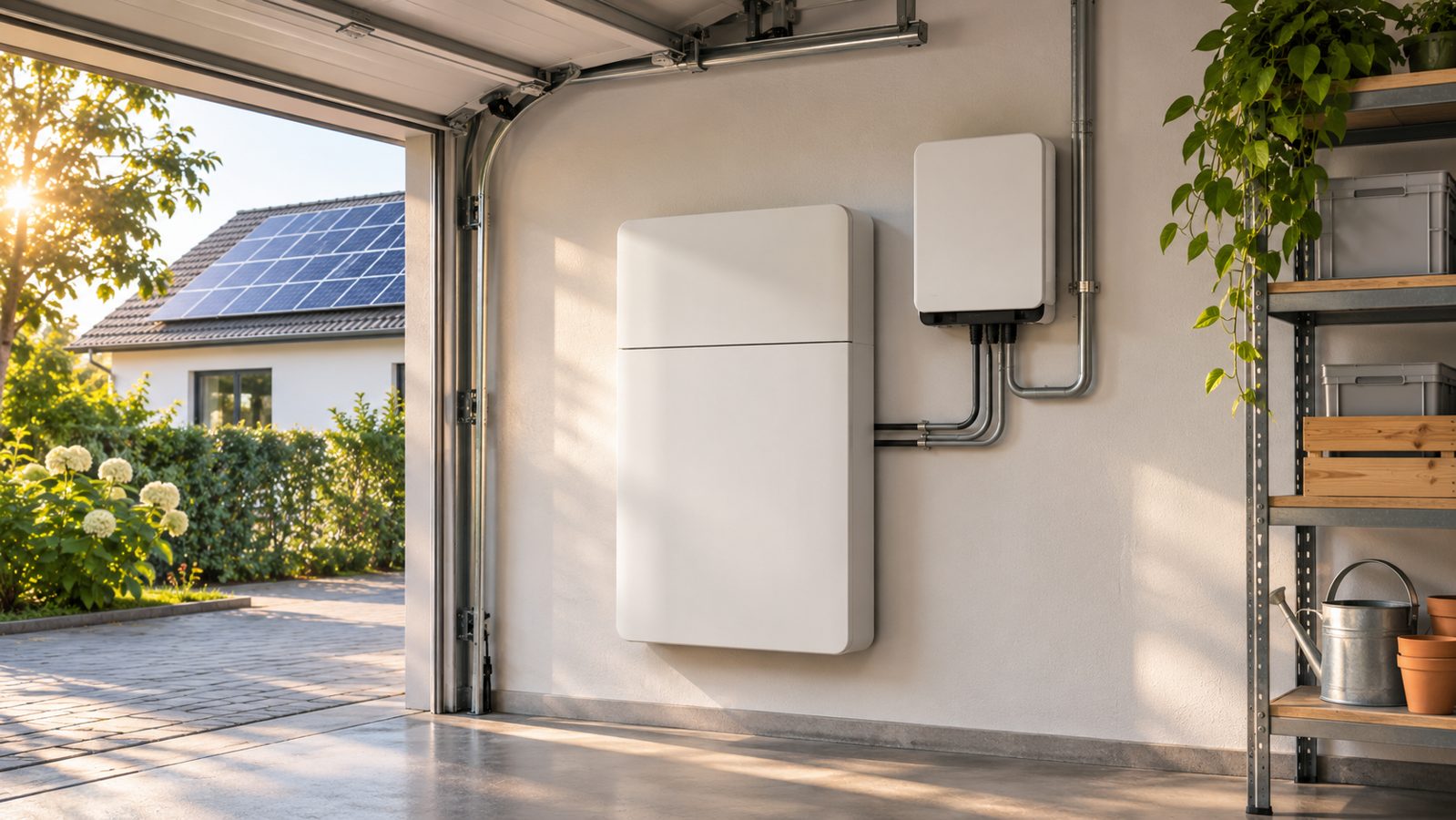
Why EWE pays for access to home batteries
By managing many home batteries together, EWE can move some electricity purchases to cheaper hours. Its energy manager schedules charging based on market conditions. The household can use the stored power. At launch, the programme does not export battery power to the public grid.
What happens when the sun comes out?
Suppose EWE charges the battery overnight. If the battery is still fairly full when the solar panels start producing more power than the household needs, there may be less room to store that surplus. EWE’s terms flag this possibility, along with charging losses and extra cycles that can contribute to battery wear. Participants must keep the control function enabled.
Who can take part?
Households need a compatible battery, a separately contracted and installed EWE energy manager, a communicating smart meter, a stable internet connection and an eligible EWE electricity contract at the same supply point. EWE pays the bonus with the annual bill, regardless of how often it uses the controls. Either party can end the add-on with one month’s notice to the end of a calendar month.
Who might come out ahead?
If you already have the equipment and are happy with your tariff, look at your own data. How full is the battery in the morning? Does it usually fill by midday? How much electricity do you still buy in the evening? If you would need to switch tariffs or install equipment, compare the additional annual costs with the bonus.
What matters is how much of the €120 is left after any extra costs and reduced use of your own solar power. If you have solar panels, start with the charging and consumption data from a sunny day.